Teamwork is the backbone of any successful organisation, yet the diverse personalities and working styles of team members can sometimes create challenges. By leveraging tools like DISC profiling, teams can foster better collaboration, improve communication, and significantly boost productivity. This article explores how DISC insights enhance teamwork, strategies for creating balanced and effective teams, and how to overcome challenges to maximise collaboration.
Enhancing Teamwork Through DISC Insights
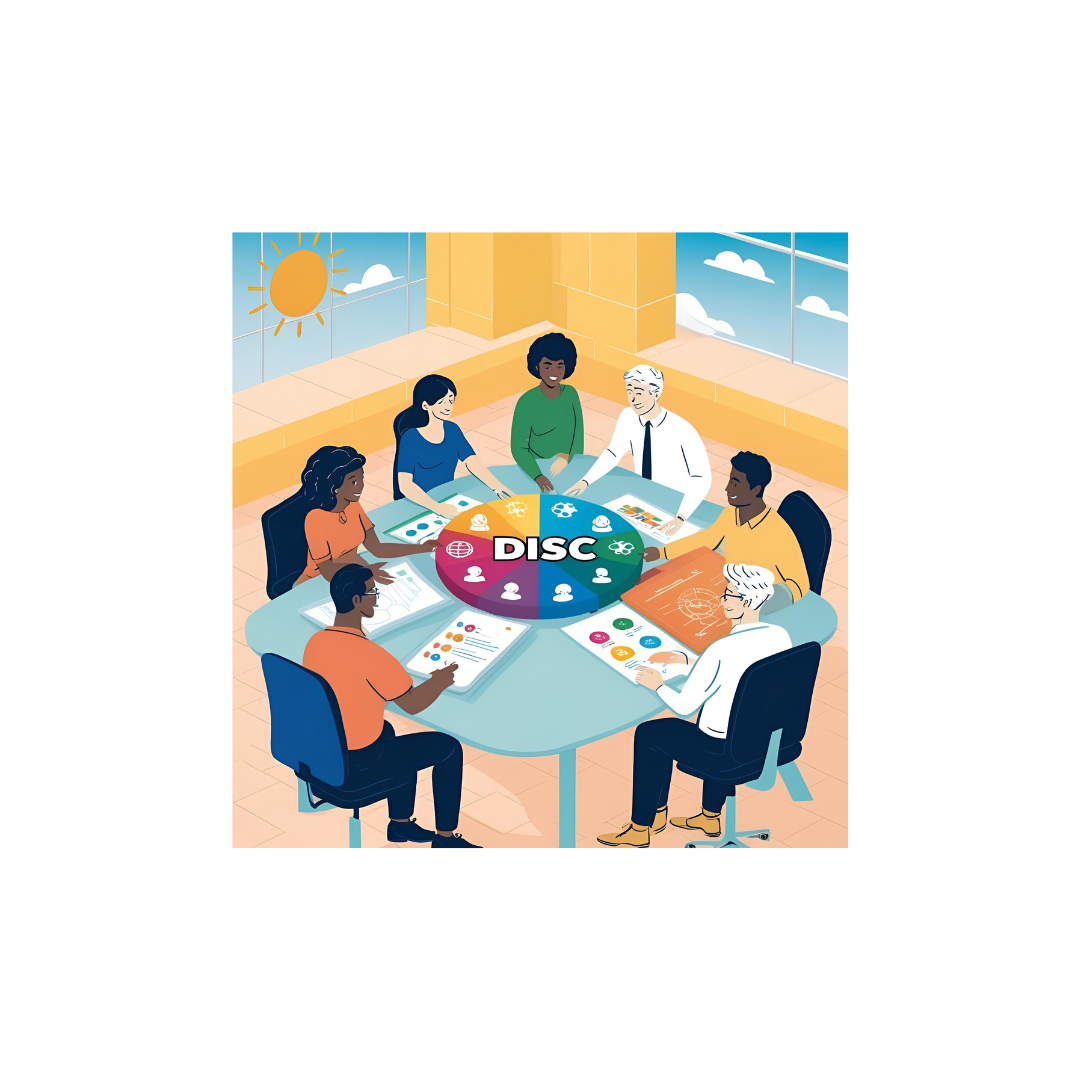
DISC is a behavioural assessment tool that categorises individuals based on their balance of four primary personality traits: Dominance (D), Influence (I), Steadiness (S), and Conscientiousness (C). Each DiSC style brings unique strengths and preferences to the table, offering valuable insights into how individuals approach tasks, interact with others, and respond to challenges.
Using DISC for teams helps:
- Improve Communication: By understanding each member’s communication style, teams can tailor their interactions for clarity and efficiency. For instance, more Dominant personalities prefer direct communication, while the more Steady individuals value a more empathetic approach.
- Enhance Conflict Resolution: Recognising the root causes of misunderstandings based on DISC profiles allows teams to address conflicts constructively.
- Optimise Role Allocation: DISC insights can align team roles with individual strengths, ensuring members are positioned where they can contribute most effectively.
Creating Balanced and Effective Teams Using Profiling
Building a balanced and effective team involves combining diverse DISC profiles to ensure a comprehensive skill set and harmonious dynamics. Here’s how:
- Identify Gaps in Team Dynamics: Assess the team’s current composition to identify missing styles. A team comprised solely of more Dominant personalities might excel in decision-making but struggle with consensus-building. Similarly, an all-Steady team might prioritise harmony but lack urgency.
- Foster Complementary Partnerships: Pair individuals whose strengths counterbalance each other’s limitations. For instance, a Conscientious member can bring precision and detail to complement an Influencer’s big-picture thinking.
- Encourage Cross-Style Collaboration: Promote understanding and respect for different styles through DISC training workshops. This builds a culture of collaboration where differences are seen as assets rather than obstacles.
Overcoming Challenges and Maximising Collaboration
Even with a well-balanced team, challenges in collaboration can arise. DISC provides a framework for addressing these hurdles effectively:
- Address Misalignment in Work Styles: Misalignments, such as a Dominant personality’s preference for fast decision-making clashing with a Conscientious member’s need for thorough analysis, can be mitigated by setting clear expectations and timelines.
- Cultivate Empathy and Flexibility: Encourage team members to adapt their approaches when interacting with others. This might mean a Steady individual stepping out of their comfort zone to assert themselves or an Influencer focusing on active listening.
- Use DISC Insights for Continuous Improvement: Regularly revisit and reassess DISC profiles as teams evolve. This ensures alignment with new goals and fosters ongoing collaboration improvements.
Answering Common Questions
How can DISC insights enhance teamwork within a group?
DISC insights enhance teamwork by clarifying individual strengths and communication styles, enabling better role alignment, and fostering mutual understanding. Teams equipped with this knowledge can collaborate more effectively and address conflicts constructively.
What strategies can be employed to create balanced and effective teams using profiling?
Key strategies include identifying gaps in team dynamics, fostering complementary partnerships, and encouraging cross-style collaboration through training and workshops. These approaches ensure a cohesive and well-rounded team.
How do teams overcome challenges and maximise collaboration with DISC?
Teams can overcome challenges by addressing work style misalignments, cultivating empathy and flexibility, and using DISC as a continuous improvement tool. These strategies promote adaptability and sustained collaboration.
Rounding up – DISC for teams offers a powerful framework for enhancing teamwork, fostering collaboration, and driving productivity. By understanding and leveraging the unique strengths of each personality style, teams can create a dynamic and supportive environment that turns potential challenges into opportunities for growth. Embrace DISC to unlock your team’s full potential and achieve lasting success.
Get in touch with us now to explore how we can help you maximise your team dynamics using DiSC.