If last month was about recognising when you’re trapped in firefighting mode, this month we’re taking the next step: how to focus when everything feels urgent.
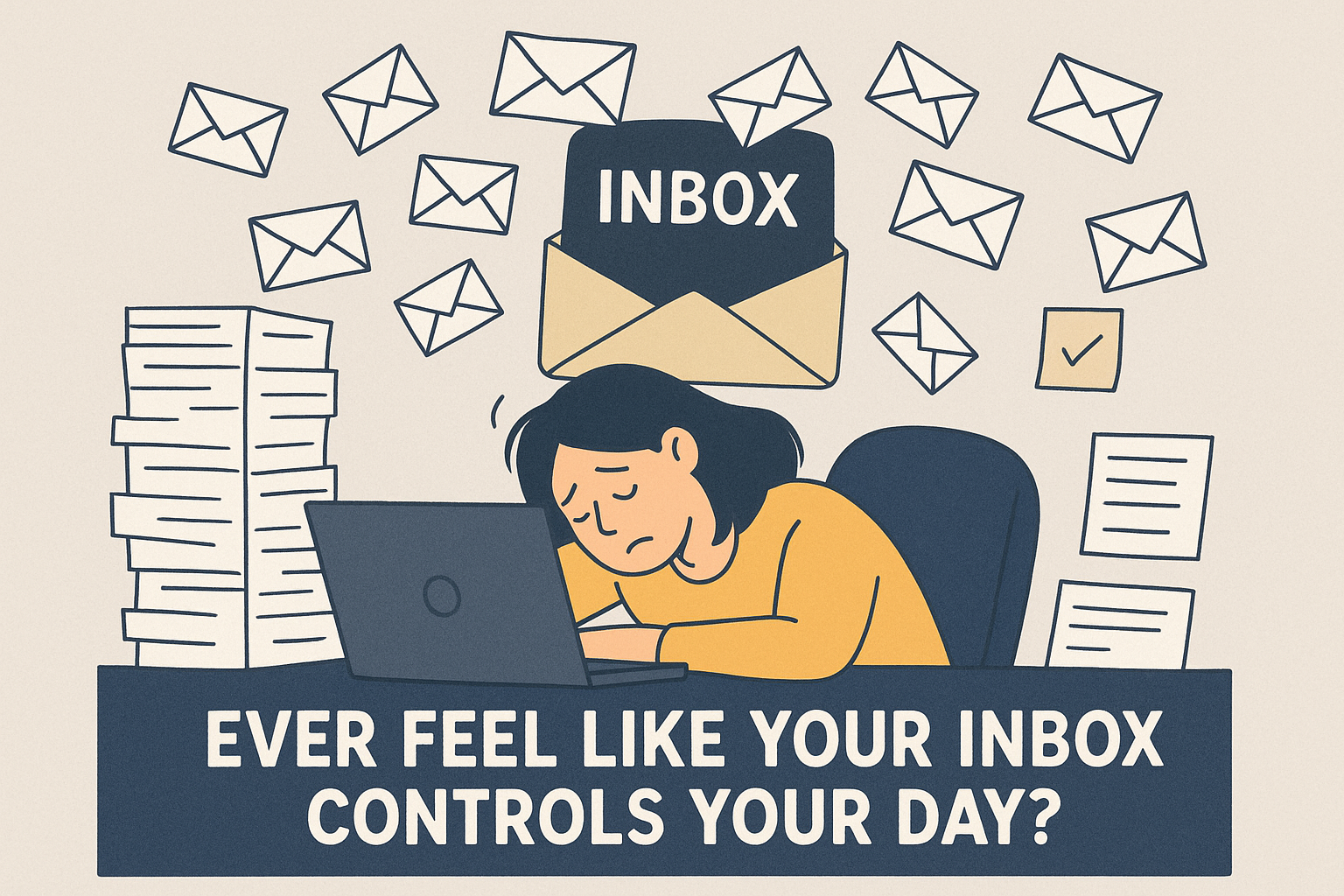
When the to-do list is ever-growing, the inbox is overflowing, and the demands on your time keep multiplying, it’s easy to fall into the trap of reacting to whatever (or whoever) shouts the loudest.
But urgency and importance are not the same thing. Without clarity, you risk spending all your energy on tasks that move you sideways rather than forward.
This is where the power of priorities comes in.
Why Prioritisation Feels Hard
The truth is, our brains are wired to respond to urgency. A ringing phone, a new email notification, or a team member or client request all trigger a sense of importance, even if in reality, those things aren’t aligned with your bigger goals. Without a framework for focus, everything feels equally critical, which often results in stress, overwhelm, and a nagging feeling that despite being “busy,” you’re not making progress where it matters most.
This is where Focus comes in: pausing, stepping back, and separating the “urgent” from the “important.” Instead of letting urgency dictate your day, you take control by intentionally choosing what deserves your energy.
Aligning Priorities with Your Personality
Understanding your personality through DiSC and Enneagram frameworks can help you prioritise in a way that naturally suits your style, boosts productivity, and reduces stress.
DiSC Personality Insights
- Dominant (D) – Results-driven and decisive. Prioritise tasks that deliver high impact. Delegate routine work.
- Influential (I) – Social and enthusiastic. Prioritise relationship-building and collaborative efforts. Use tools to stay organized.
- Steady (S) – Supportive and dependable. Prioritise consistent, reliable progress. Schedule important but non-urgent tasks.
- Conscientious (C) – Analytical and precise. Prioritise accuracy and long-term results. Avoid perfectionism; set deadlines.
Enneagram Personality Insights
- Type 1 (Reformer): Align priorities with values and long-term improvement.
- Type 2 (Helper): Focus on helping others, but set boundaries.
- Type 3 (Achiever): Prioritise tasks that advance your goals visibly.
- Type 4 (Individualist): Prioritise creative and meaningful work.
- Type 5 (Investigator): Focus on learning and deep work.
- Type 6 (Loyalist): Prioritise stability and risk management.
- Type 7 (Enthusiast): Focus on growth and exciting opportunities.
- Type 8 (Challenger): Prioritise assertive, high-impact tasks.
- Type 9 (Peacemaker): Prioritise balance and smooth progress.
By understanding both how you act (DiSC) and why you act (Enneagram), you can make prioritisation feel less like a chore and more like a strategy that aligns with your strengths and values.
Practical Steps to Prioritise
1. Define What “Important” Means for You
Importance comes from alignment with your vision, goals, and values not how loud or immediate a task feels. Ask yourself:
- Does this move me closer to my long-term objectives?
- What would happen if I didn’t do this today?
- Am I working on someone else’s priorities, or my own?
2. Use the Urgent–Important Matrix
Stephen Covey’s framework helps categorise tasks:
- Urgent & Important: Deal with it.
- Important but Not Urgent: Schedule it (this is where long-term progress lives)
- Urgent but Not Important: Delegate or minimise.
- Neither: Drop it.
Even spending 10 minutes mapping your tasks into this framework can give you surprising clarity.
3. Limit Your “Must-Dos”
Identify the 1–3 priorities that matter most each day. Completing these gives a sense of accomplishment and ensures meaningful progress.
4. Build in Reflection Time
Without reflection, you’ll drift back into firefighting which I shared more about last month. Weekly check-ins with yourself (and your team) will help to keep priorities fresh, realistic, and aligned with what matters most.
5. Say “No” (or “Not Now”)
Protecting your time doesn’t mean shutting down opportunities, it means preserving your energy for what truly matters. Sometimes a “not now” is just as powerful as a “no.”
The Personality Advantage in Action
Consider this:
- A Dominant Type 8 thrives on high-impact projects. Prioritising ambitious tasks moves them forward.
- A Steady Type 2 excels in ongoing support and relationship-driven work. Prioritising consistent, helpful action creates harmony.
- A Conscientious Type 5 gains most from deep focus tasks. Prioritising uninterrupted learning or analysis ensures meaningful progress.
Matching priorities with your personality style turns decision-making into a natural, energy-aligned process.
Final Thought
You can’t do everything. But you can do the things that matter most. By creating more focus pillar and understanding your DiSC and Enneagram type, you shift from being busy to being productive. You trade firefighting for progress.
Next time everything feels urgent, pause. Step back. Ask: What’s truly important here? That single question, when combined with personality insights can transform your to-do list, your workflow, and your life.