Understanding how we connect with colleagues, managers, and business partners is crucial in fostering professional success. Anxious attachment styles, often discussed in personal relationships, also play a significant role in the workplace and influence communication, leadership, collaboration, and overall job satisfaction. Recognising these patterns and implementing effective strategies can lead to stronger, more productive professional relationships.
What Characterises Anxious Attachment in Professional Settings?
Anxious attachment styles, often rooted in early experiences, manifest in the workplace as heightened sensitivity to feedback, a deep-seated fear of rejection, and a strong need for validation. Employees and leaders with anxious attachment styles may exhibit:
- Over-dependence on approval – Constantly seeking reassurance from managers or colleagues about performance and job security.
- Fear of criticism or rejection – Taking constructive feedback personally, leading to heightened stress and self-doubt.
- Conflict sensitivity – Overreacting to perceived workplace slights, such as a delayed response to an email or a short remark in a meeting.
- Difficulty with autonomy – Struggling with independent decision-making due to fear of making mistakes or disappointing others.
- Poor delegation skills – Preferring to do the tasks themselves either for fear of overloading others or due to a lack of trust in others.
These behaviours stem from deep seated beliefs and are reinforced through past experiences that are inconsistent, where support and recognition were unpredictable and or external validation was not forthcoming.
How Anxious Attachment Affects Workplace Relationships
Anxious attachment styles can shape workplace dynamics in several ways:
- Reduced Confidence and Productivity – The need for reassurance may slow decision-making, increasing stress and reducing efficiency.
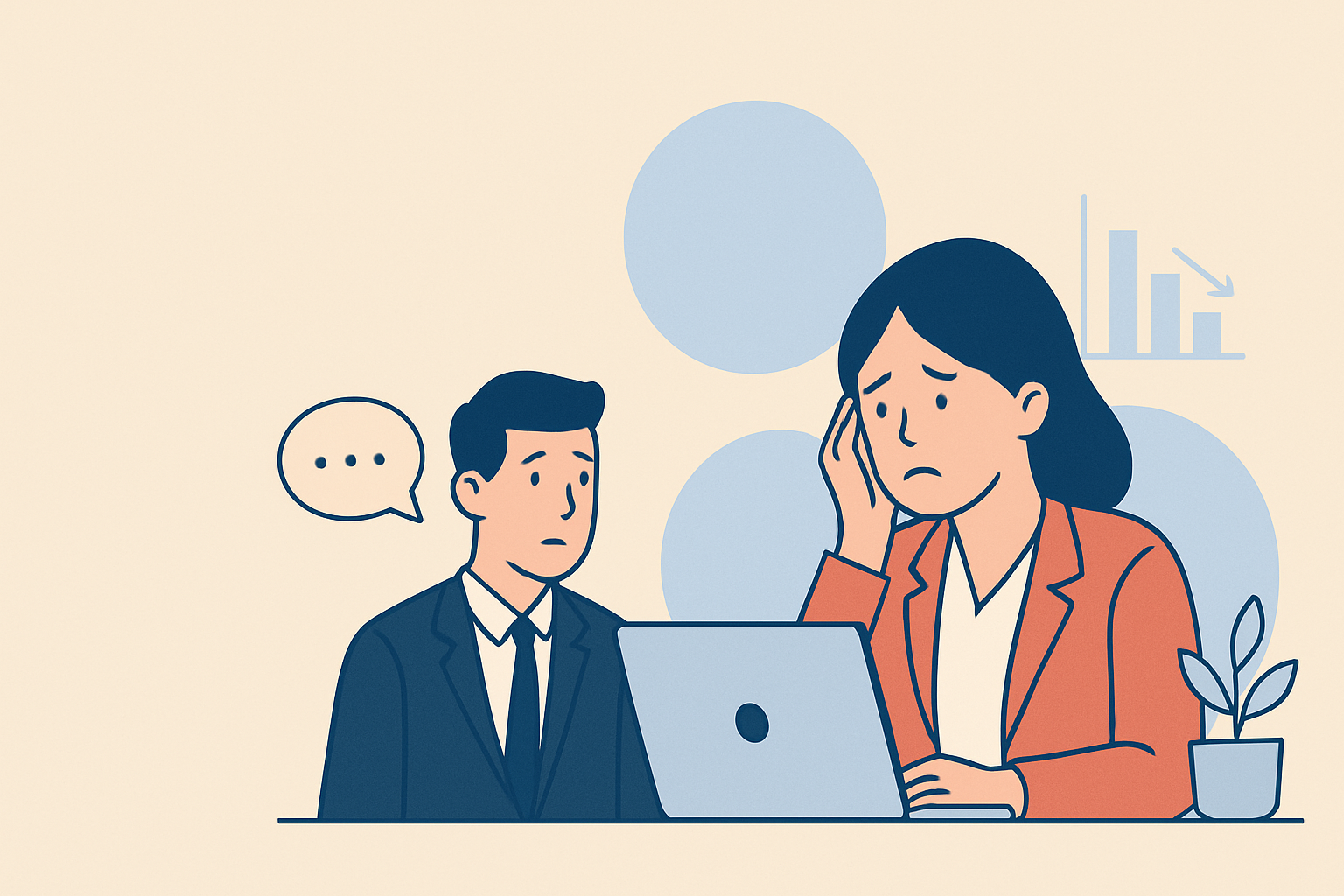
- Strained Manager-Employee Relationships – Frequent requests for validation can be misinterpreted as insecurity, leading to frustration or micromanagement.
- Interpersonal Conflict – Heightened sensitivity to feedback and office dynamics can lead to misunderstandings or tension with colleagues.
- Emotional Exhaustion – Constant worry about job performance and relationships can contribute to burnout and reduced job satisfaction.
Despite these challenges, professionals with anxious attachment styles often bring valuable qualities to the workplace, including empathy, dedication, and strong interpersonal awareness. These are qualities that, when managed effectively, can enhance team collaboration and leadership potential.
Strategies for Managing Anxious Attachment in Business and Work Relationships
Overcoming workplace anxiety and fostering professional growth requires self-awareness and strategic adjustments. Here’s how professionals can work toward more secure and effective workplace interactions:
- Develop Self-Awareness
- Identify triggers that cause workplace anxiety, such as performance evaluations or leadership interactions.
- Reflect on how your patterns of behaviour influence communication and decision-making.
- Practice Emotional Regulation
- Use mindfulness techniques (deep breathing, journaling) to manage stress and maintain focus.
- Develop your skills in recognising emotional reactions before responding impulsively in workplace situations.
- Enhance Communication Skills
- Express concerns and needs professionally, using clear and solution-oriented language.
- Accept feedback constructively and separate professional critique from personal worth.
- Build Independence and Confidence
- Take ownership of projects to build self-reliance and reduce dependency on validation.
- Seek out opportunities for professional growth, such as skill development courses or mentorship.
- Challenge Negative Thought Patterns
- Reframe anxious thoughts by considering alternative perspectives.
- Replace self-doubt with positive affirmations like, “I am capable of handling this challenge.”
- Seek Professional Support
- Work with a coach or mentor to develop confidence and leadership skills.
- Consider workplace training or coaching to improve emotional intelligence and resilience.
Creating a Secure and Successful Professional Identity
Anxious attachment styles, while challenging, do not need to determine professional success. By recognising patterns and taking proactive steps toward growth, individuals can cultivate stronger business relationships, improve collaboration, and become more effective leaders.
The impact of attachment styles can be reduced with awareness, practice, and support. Embracing this journey leads to greater confidence, improved workplace dynamics, and long-term career fulfilment.
Take the first step in understanding your attachment style and its impact on your professional relationships with our attachment test today.